Mo Shaolong Solo Exhibition
"Double-click" Painting
Jan 8, 2026 - Mar 1, 2026 · C-L251, 99 Ji’an Road, 2nd Floor, Huangpu District, Shanghai
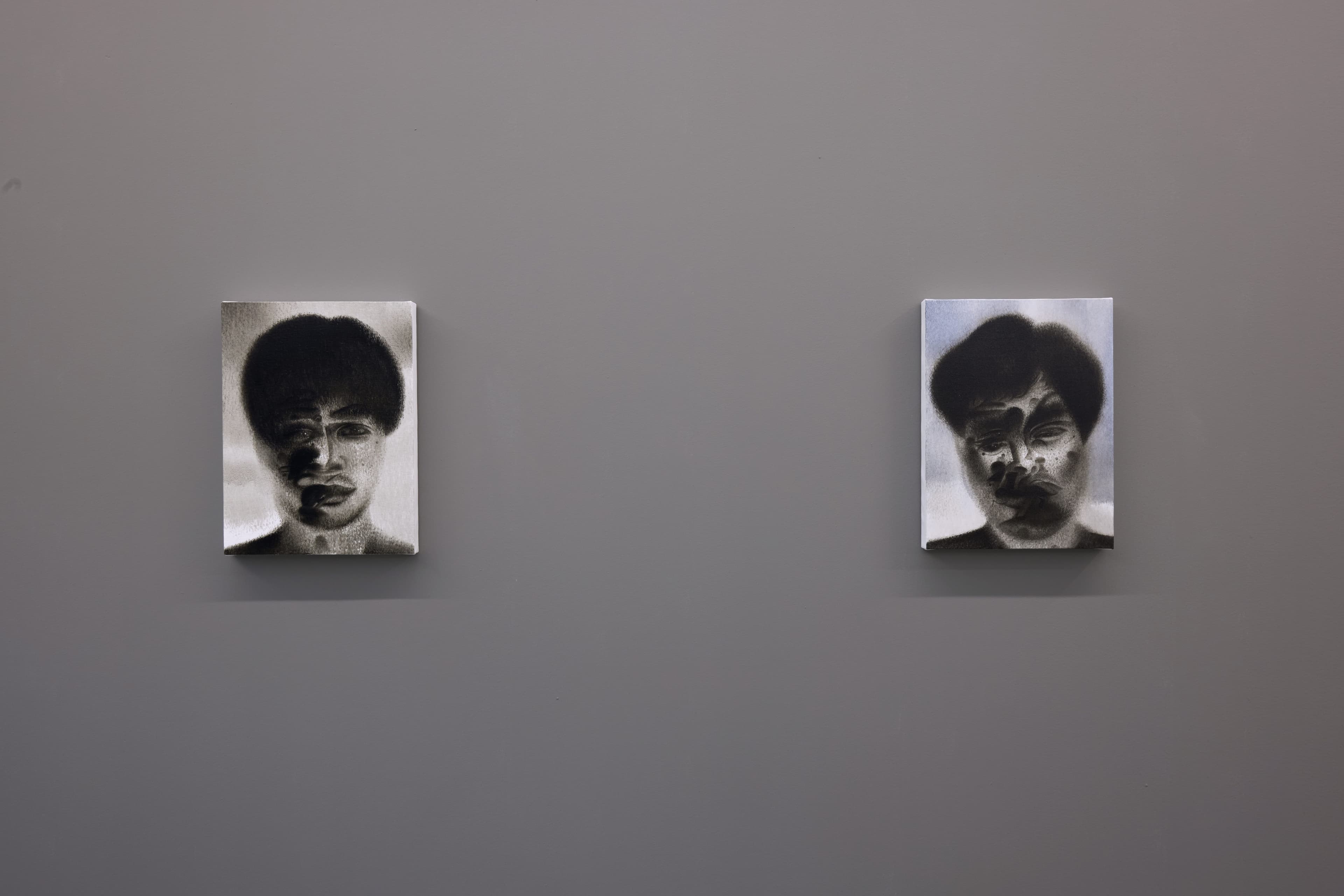
Hol(洞) will present "Double-Click" Painting, a solo exhibition by artist Mo Shaolong, in January 2026. The exhibition brings together recent portrait paintings, continuing the artist's sustained engagement with portraits, and also as a response of viewing mode shifts to today'simages.
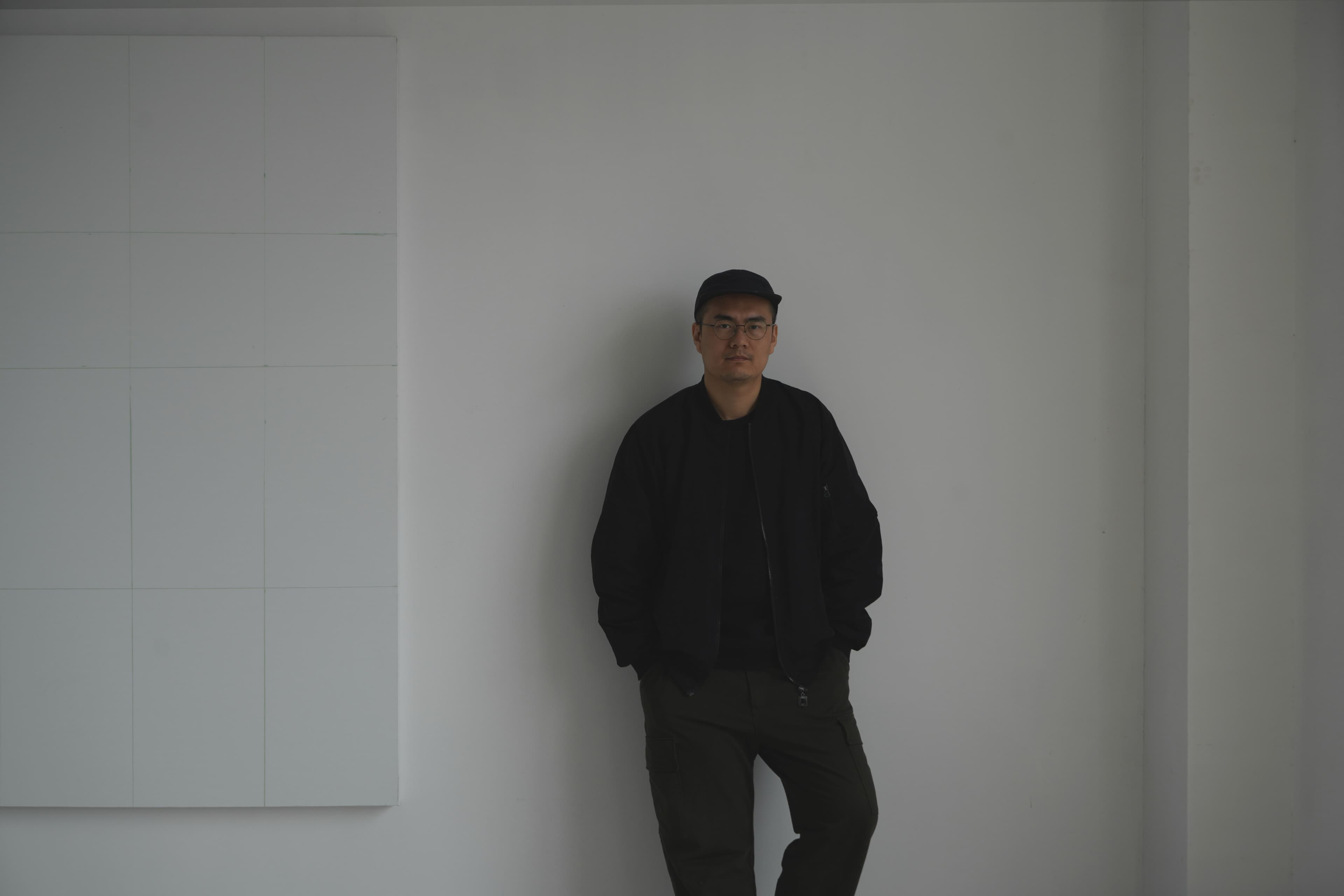
Mo Shaolong lives and works in Shanghai. His practice developed from image-based work into painting, which he approaches as a means of producing and organizing visual content. We process large volumes of screen images on a daily basis: they are opened, cropped, color-adjusted, and then sent. These images often no longer exist as objects to be viewed, but rather as content that is continuously accessed, modified, and updated. As a medium, painting, within today's image environment, shares a common logic of use-of operation-with screen images, photography, and app interfaces.
In "Double-Click" Painting, painting is understood as operating like image-processing software. Mo Shaolong extracts portraits from visual materials and personal memory, translating visual characteristics that originally belong to the screen into the language of painting. These figures are drawn from relatives in childhood memories, film and television characters repeatedly encountered during his youth, as well as familiar presences continually appearing in everyday life and news imagery. Ratherthan unfolding as individual narratives, they resemble a collective portrait shaped by a generation's formation across multiple media, narratives, and imaginaries of identity. The images beartraces of narratives accumulated through repeated viewing, while also retaining expressions that resist complete articulation.
"Double-click" points to one of the most common image actions: images are opened, enlarged, swiped through, and closed, rarely lingering for long. Placing "double-click" before "painting" acknowledges that painting has entered the same image rhythm-it is no longer an exception outside the screen, but one image among countless others competing for attention. Mo Shaolong does not use painting to resist this condition;
instead, he draws on the rhythm of painting, the contingencies of the hand, and the time of looking to transform this "double-clicked state" into a method of making: painting becomes both an image and a site that affords a different mode of gaze.